
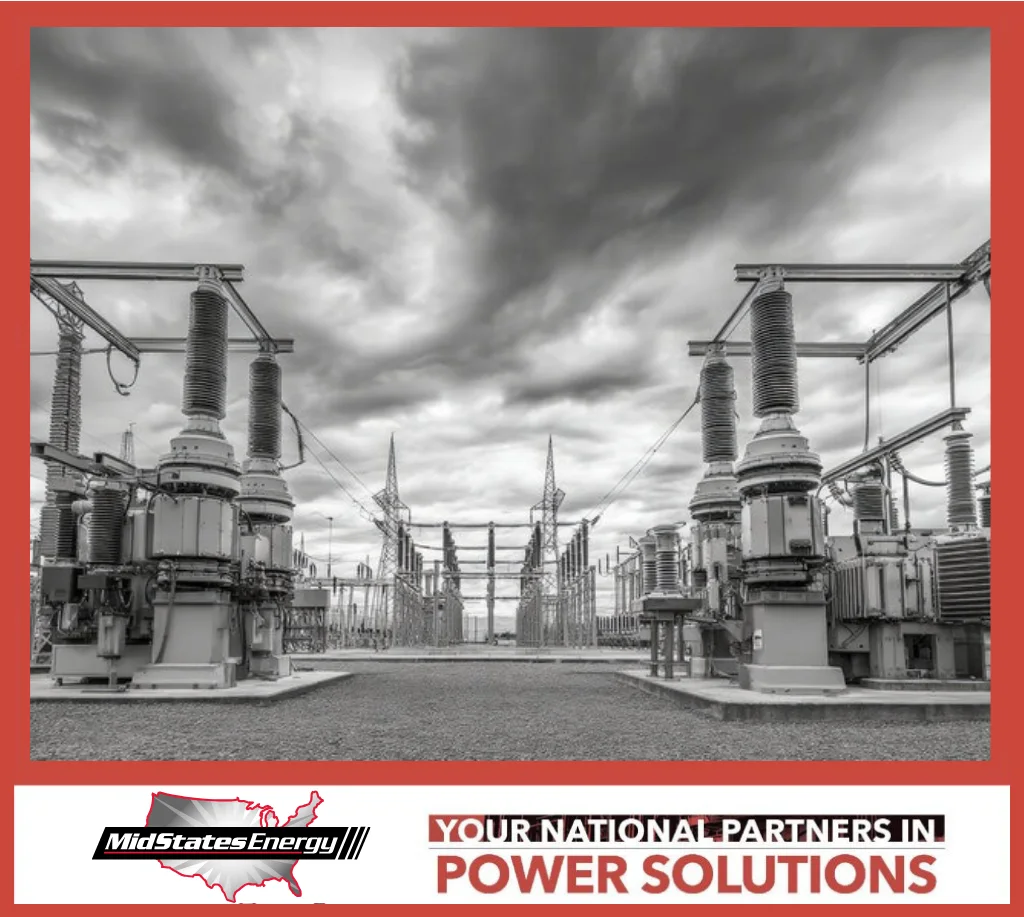
Unexpected electrical failures can bring industrial and commercial operations to a sudden stop. In Washington, facilities that depend on continuous production and reliable power distribution need more than emergency repairs – they need a structured plant maintenance plan designed to identify problems before they become failures.
Electrical systems inside modern plants can include transformers, switchgear, circuit breakers, motor controls, protective relays, distribution equipment, and instrumentation. When one component deteriorates, the resulting problem can affect multiple systems and potentially interrupt production.
A proactive plant maintenance strategy combines scheduled inspections, electrical testing, predictive maintenance, repairs, and planned shutdowns. This approach can help facilities improve reliability, protect equipment, and reduce the likelihood of unexpected downtime.
What Is Plant Maintenance Planning?
Plant maintenance planning is the organized process of inspecting, testing, servicing, repairing, and upgrading the equipment and electrical infrastructure used within an industrial facility. Instead of waiting for a component to fail, maintenance teams establish schedules based on equipment condition, operating demands, age, and criticality.
For electrical systems, maintenance planning can include inspections of switchgear and transformers, testing of breakers and protective devices, troubleshooting, infrared inspections, and other diagnostic procedures.
A well-developed plan also considers when maintenance should occur. Planned outages or lower-production periods can provide opportunities to complete important work without unnecessarily disrupting normal operations. Companies like MidStates Energy provide planned and emergency industrial electrical maintenance, including preventive and predictive maintenance, plant inspections, and shutdown coordination.
Why Is Preventive Electrical Maintenance Important?
Electrical equipment often provides warning signs before a major failure occurs. Excessive heat, unusual operating conditions, insulation deterioration, loose connections, contamination, or abnormal electrical readings can indicate developing problems.
Finding these conditions early gives facility managers an opportunity to address them before they cause an unplanned shutdown.
The potential impact of downtime makes this especially important for manufacturing and industrial operations. A maintenance program can help facilities:
- Reduce unexpected electrical failures
- Improve equipment reliability
- Extend the useful life of electrical assets
- Identify developing problems earlier
- Improve workplace safety
- Plan repairs around production schedules
- Reduce dependence on emergency repairs
The objective is not simply to perform more maintenance. It is to perform the right maintenance at the right time based on the condition and importance of each system.
What Should an Electrical Maintenance Plan Include?
Every facility has different equipment, operating conditions, and production requirements. Therefore, a maintenance plan should be customized rather than based on a generic checklist.
| Maintenance Area | Typical Purpose | Recommended Approach |
| Switchgear and breakers | Identify wear, overheating, or operating problems | Scheduled inspection and testing |
| Transformers | Monitor condition and electrical performance | Regular inspection and diagnostic testing |
| Protective relays | Confirm reliable fault detection | Testing and calibration |
| Electrical distribution | Detect developing system problems | Visual inspections and electrical testing |
| Critical equipment | Reduce risk of unexpected failure | Preventive and predictive maintenance |
A comprehensive program can also include documentation of inspection results, test data, repairs, equipment conditions, and recommendations for future work. This information gives plant managers a historical record that can help identify recurring problems and prioritize future investments.
How Does Predictive Maintenance Prevent Electrical Failures?
Preventive maintenance follows a schedule, while predictive maintenance focuses more closely on equipment condition and performance. Predictive methods use testing and diagnostic information to identify potential problems before equipment reaches a failure point.
For example, infrared thermography can help identify abnormal heat patterns associated with overloaded or loose electrical connections. Insulation resistance testing can provide information about the condition of electrical insulation. Other diagnostic testing can help technicians evaluate transformers, switchgear, breakers, and protective systems.
MidStates Energy lists infrared thermography, insulation resistance testing, contact resistance checks, and visual inspections among its plant-maintenance capabilities.
Using these techniques allows maintenance teams to move from a reactive approach toward condition-based decision-making.
When Should Plant Maintenance Be Scheduled?
The appropriate maintenance frequency depends on the facility, equipment type, operating conditions, age of the electrical infrastructure, and importance of individual systems.
Critical equipment may require more frequent inspections than secondary systems. Facilities operating continuously may also need maintenance strategies that differ from plants with significant periods of downtime.
Planned shutdowns can be particularly valuable because maintenance crews can work on equipment that cannot safely or practically be serviced while energized or operating. Coordinating electrical maintenance with production schedules can help minimize operational disruption.
A maintenance schedule should also be reviewed when a facility adds new equipment, changes production requirements, expands its electrical system, or experiences recurring failures.
What Are the Warning Signs of Electrical Problems?
Unexpected failures are sometimes preceded by noticeable warning signs. Facility personnel should pay attention to changes in equipment performance and report unusual conditions promptly.
Potential warning signs include:
- Repeated breaker trips
- Unusual equipment temperatures
- Burning odors near electrical equipment
- Visible discoloration or damaged components
- Unexpected equipment shutdowns
- Unusual sounds or vibrations
- Repeated electrical faults
- Increasing frequency of emergency repairs
These signs do not necessarily identify the exact cause of a problem. However, they can indicate that professional inspection or testing is warranted.
Ignoring repeated warning signs can allow a relatively manageable problem to develop into a larger equipment failure.
How Can Planned Shutdowns Improve Maintenance?
Planned shutdowns provide an opportunity to perform maintenance, testing, repairs, replacements, and upgrades in a controlled environment. Without adequate planning, however, shutdown work can become inefficient and extend beyond the expected schedule.
Effective shutdown planning begins well before production stops. Facility managers can identify critical equipment, determine which components require service, organize replacement parts, establish safety procedures, and coordinate qualified technicians.
Can Maintenance Planning Reduce Emergency Repairs?
Maintenance planning cannot eliminate every electrical failure. Equipment can fail unexpectedly because of severe conditions, sudden faults, external events, or unforeseen component problems.
However, proactive maintenance can reduce the number of failures that occur because of identifiable deterioration or neglected equipment conditions.
A strong program should therefore combine planned maintenance with an emergency response strategy. If an unexpected electrical problem occurs, facility managers need a process for isolating the affected system, protecting personnel, contacting qualified electrical professionals, and restoring operations safely.
This combination of preventive maintenance and emergency preparedness provides a more complete approach to electrical reliability.
What Should Facilities Look for in a Maintenance Partner?
Industrial facilities should consider several factors when selecting an electrical maintenance provider. Experience with complex electrical systems is important, particularly when a facility operates high-voltage distribution equipment, transformers, substations, switchgear, motor controls, or other critical infrastructure.
The provider should also be capable of performing inspections, testing, troubleshooting, repairs, and planned maintenance rather than focusing exclusively on emergency service.
What Should You Do to Improve Your Plant Maintenance Plan?
Start by identifying the electrical equipment that is most critical to production and safety. Review existing maintenance records and determine which systems have experienced repeated failures or require frequent emergency attention.
Next, establish inspection and testing schedules based on equipment condition and operational importance. Coordinate major work with planned outages whenever possible, and maintain accurate documentation after every inspection or repair.
Finally, review the plan regularly. A maintenance strategy should evolve as equipment ages, production requirements change, and new electrical systems are installed.
Protect Your Washington Facility With Proactive Maintenance
Unexpected electrical failures can create production delays, safety concerns, equipment damage, and expensive emergency repairs. Plant maintenance planning provides a proactive way to identify electrical problems, schedule corrective work, and maintain critical infrastructure before a failure disrupts operations.
For facilities in Washington, a customized electrical maintenance program can include preventive inspections, predictive testing, troubleshooting, planned shutdown support, equipment repairs, and system upgrades. With the right maintenance strategy and qualified electrical professionals, industrial and commercial facilities can improve reliability while keeping essential operations moving.
A well-planned maintenance program is ultimately an investment in the long-term performance of the facility. Rather than waiting for electrical equipment to fail, facility managers can use inspections, testing, documentation, and scheduled service to make informed decisions and reduce avoidable disruptions.
MidStates Energy provides industrial plant maintenance programs that include preventive and predictive maintenance, equipment testing, troubleshooting, repairs, power-system upgrades, and emergency support. Its services are designed around the specific requirements of individual facilities.
FAQs
What is plant maintenance planning?
Plant maintenance planning is the scheduled inspection, testing, servicing, and repair of industrial equipment and electrical systems to prevent unexpected failures.
How often should industrial plant maintenance be performed?
Maintenance frequency depends on the facility and equipment. Many plants benefit from annual comprehensive maintenance, while critical systems may require quarterly or semi-annual inspections.
Can preventive maintenance prevent electrical failures?
Preventive maintenance can identify developing problems before they cause equipment failures, helping reduce unplanned outages and extend electrical equipment life.
What is included in an electrical plant maintenance program?
Services may include infrared thermography, insulation resistance testing, contact resistance checks, visual inspections, equipment testing, troubleshooting, and replacement of necessary components.
Can plant maintenance be scheduled around production?
Yes. Maintenance can be coordinated with planned shutdowns, off-hours, or other production schedules to minimize disruption to facility operations.