
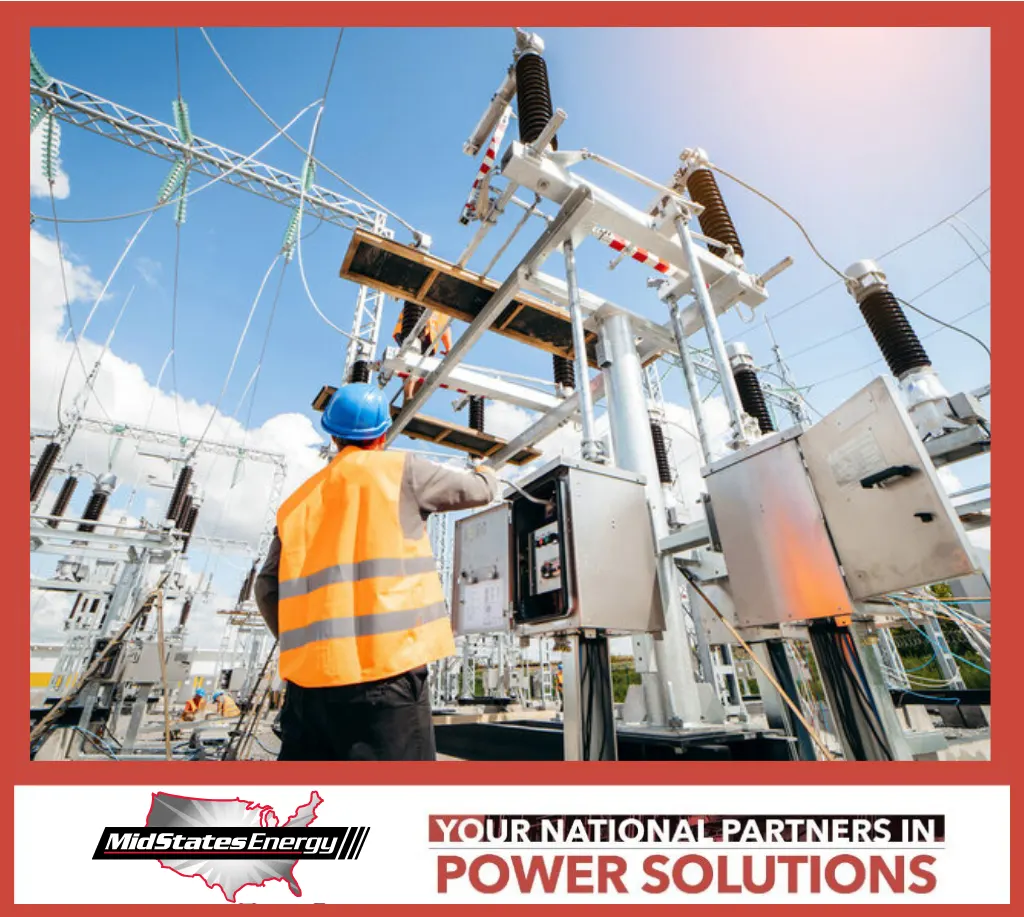
A production line can stop for many reasons. A failing motor, damaged transformer, unstable power supply, overheating connection, or electrical fault can bring an otherwise productive facility to a standstill.
That is why industrial electrical services in Tennessee are about much more than fixing a breaker or replacing damaged wiring. For manufacturers, processing facilities, utilities, commercial operations, and other power-intensive businesses, electrical reliability directly affects safety, productivity, equipment life, and business continuity.
Tennessee continues to attract manufacturing and energy-related investment, while existing facilities are also modernizing their infrastructure. Recent projects involving advanced manufacturing, transformer production, and energy infrastructure show why dependable electrical systems remain a core operational priority.
Why Tennessee Industries Need Professional Electrical Services
Industrial electrical systems are rarely simple. They can include transformers, substations, switchgear, protective relays, control systems, generators, motor controls, distribution equipment, and high-voltage infrastructure.
A small problem in one component can affect several connected systems.
Professional electrical contractors bring the specialized knowledge needed to evaluate the entire system rather than treating symptoms in isolation. That distinction matters when a facility cannot afford repeated failures or unnecessary shutdowns.
For industrial operators, the value comes from combining installation, testing, maintenance, troubleshooting, upgrades, and emergency response into a coordinated electrical strategy.
Electrical Reliability Protects Production
Unexpected electrical failures create more than an inconvenience.
When critical equipment loses power, production may stop, automated processes can be interrupted, and sensitive machinery may be exposed to electrical stress. Restarting a facility can also require careful inspection and testing before normal operations resume.
This is where planned electrical maintenance makes a practical difference.
Instead of waiting for a transformer, switchgear component, or distribution system to fail, maintenance teams can identify developing problems and address them during controlled service windows.
Safety Is a Core Reason to Hire Electrical Professionals
Industrial electrical work carries hazards that should never be treated casually.
Electrical shock, arc flash, unexpected equipment startup, stored energy, and faulty grounding can create serious risks for workers. OSHA identifies lockout/tagout as a primary method for controlling hazardous energy during servicing and maintenance.
Professional electrical teams understand that safe work starts before the repair itself.
That can involve:
- Reviewing the electrical system and work scope
- Establishing an electrically safe work condition
- Following appropriate lockout/tagout procedures
- Using qualified personnel for specialized tasks
- Inspecting equipment before returning it to service
- Documenting findings and corrective work
- Coordinating electrical work with plant operations
NFPA guidance similarly connects safe design, proper maintenance, and workplace electrical safety. NFPA identifies the NEC, NFPA equipment-maintenance guidance, and NFPA workplace-safety practices as complementary parts of a broader electrical safety approach.
Tennessee Electrical Compliance Requires Local Expertise
Industrial electrical projects must account for applicable codes, inspections, permits, and licensing requirements.
Tennessee’s Department of Commerce and Insurance explains that electrical contracting falls within the state’s contractor licensing framework, with electrical classifications applying to qualifying work. Local requirements can also affect permitting and inspections.
For facility owners, this is one reason experience matters.
A professional contractor should understand how electrical work fits into the larger project rather than simply arriving with tools and beginning installation. Good planning considers drawings, equipment specifications, site conditions, shutdown requirements, commissioning, documentation, and coordination with other trades.
Professional Maintenance Helps Find Problems Before Failure
| Reactive Electrical Work | Planned Electrical Maintenance |
| Responds after a problem develops | Looks for developing problems |
| Often requires urgent scheduling | Can be coordinated with operations |
| May create unexpected downtime | Helps plan controlled outages |
| Focuses on restoring service | Focuses on reliability and asset condition |
| Can reveal problems under pressure | Creates a clearer maintenance strategy |
Testing and inspection can reveal issues that are difficult to identify through a basic visual check. Thermal imaging, insulation testing, power-quality analysis, relay testing, and equipment inspections can provide valuable information about the condition of critical electrical assets.
MidStates Energy’s electrical maintenance services include testing transformers, switchgear, protective relays, and other critical components, along with troubleshooting and system upgrades.
Transformers and Substations Deserve Specialized Attention
For many industrial facilities, the transformer and substation are at the heart of the power distribution system.
A transformer problem can affect voltage stability, equipment performance, and overall facility reliability. Substation issues can be even more disruptive because they may affect a much larger portion of the electrical system.
That makes transformer maintenance services and substation maintenance important parts of a long-term reliability plan.
Maintenance may include visual inspections, electrical testing, thermal diagnostics, oil analysis where applicable, breaker testing, relay testing, and condition-based recommendations.
Electrical Upgrades Help Tennessee Facilities Prepare for Growth
Industrial facilities do not remain static.
Production equipment changes. Facilities expand. Automation increases. Electrical loads shift. Older distribution equipment may eventually become difficult to support or maintain.
That is when electrical upgrades become part of the larger business strategy.
A professional industrial electrical contractor can help evaluate whether existing infrastructure can support:
- New manufacturing equipment
- Facility expansions
- Additional production capacity
- Automated machinery
- Updated control systems
- Backup power requirements
- Modern power-distribution needs
Tennessee’s recent industrial activity illustrates the broader trend. Manufacturing expansions and energy-related projects are creating continued demand for reliable electrical infrastructure across the state.
Emergency Electrical Services Matter When Time Is Critical
Even strong maintenance programs cannot eliminate every electrical emergency.
Equipment can fail unexpectedly. Severe weather can damage infrastructure. A sudden fault can interrupt power to critical systems.
When that happens, response quality matters.
A capable emergency electrical contractor should focus on safe diagnosis, controlled restoration, root-cause investigation, and long-term corrective action rather than simply getting equipment running and leaving the underlying problem unresolved.
Emergency electrical services can provide businesses with rapid support when unexpected power-system failures or other critical electrical issues threaten to disrupt operations.
What Should Tennessee Facility Managers Look for in an Electrical Contractor?
Choosing an industrial electrical contractor should involve more than comparing service prices.
Look for a provider that can demonstrate:
- Experience with industrial and high-voltage systems
- Strong safety practices
- Preventive maintenance capabilities
- Testing and commissioning expertise
- Transformer and substation experience
- Emergency response capability
- Clear project communication
- Familiarity with applicable codes and regulations
- Ability to coordinate with plant operations
- A practical approach to minimizing downtime
The best contractor becomes an extension of the facility team. They understand that the goal is not simply to complete electrical work. The goal is to keep people safe and the operation dependable.
Why MidStates Energy Fits the Industrial Electrical Need
MidStates Energy positions itself as a national industrial and commercial electrical partner, supporting critical power systems through design, installation, maintenance, testing, commissioning, transformer services, substation work, and emergency response.
Its service offering also reflects an important reality of industrial electrical work: reliability comes from the entire system, not one isolated repair.
That system-level approach is particularly valuable for facilities dealing with aging infrastructure, production expansion, high-voltage equipment, planned shutdowns, or increasingly complex power requirements.
For Tennessee businesses, the right electrical partner can help turn electrical maintenance from a reactive expense into a planned part of operational reliability.
Reliable Power Keeps Tennessee Industries Running
Tennessee industries depend on professional electrical services because reliable power is part of reliable production.
The strongest electrical strategy is not simply to repair failures as they occur. It is to understand the facility’s power infrastructure, maintain critical equipment, identify developing risks, plan upgrades carefully, and respond effectively when unexpected problems occur.
From industrial electrical maintenance and transformer services to substation support, testing, commissioning, and emergency response, experienced professionals can help facilities operate more safely and with fewer avoidable disruptions.
If your Tennessee facility needs a more reliable approach to electrical maintenance, upgrades, or critical power systems, contact MidStates Energy to discuss your electrical needs.
FAQs
Why are professional electrical services important for industrial facilities?
Industrial facilities depend on complex electrical infrastructure to power equipment, controls, production systems, and critical operations. Professional electrical services help maintain reliability, safety, compliance, and equipment performance.
What does an industrial electrical contractor typically handle?
An industrial electrical contractor may handle electrical installations, maintenance, troubleshooting, testing, equipment upgrades, transformers, substations, control systems, and emergency repairs. The exact scope depends on the facility and electrical infrastructure.
How does preventive electrical maintenance reduce downtime?
Preventive maintenance helps identify developing problems before they become major failures. Planned inspections and testing also allow repairs to be scheduled around operational requirements instead of being forced by an unexpected outage.
Why are transformers important in industrial facilities?
Transformers regulate and distribute electrical power throughout a facility or power system. Their condition directly affects reliability, voltage stability, equipment protection, and operational continuity.
When should a Tennessee facility consider electrical system upgrades?
Upgrades may make sense when a facility is expanding, adding equipment, experiencing recurring electrical problems, relying on aging infrastructure, or facing changing power demands. A professional assessment can help determine whether replacement, modernization, or targeted upgrades are appropriate.
What should I consider when choosing an industrial electrical contractor?
Consider industrial experience, safety practices, technical capabilities, testing expertise, emergency response, communication, licensing, and familiarity with your type of facility. A strong contractor should be able to explain both the immediate solution and the long-term reliability implications.