
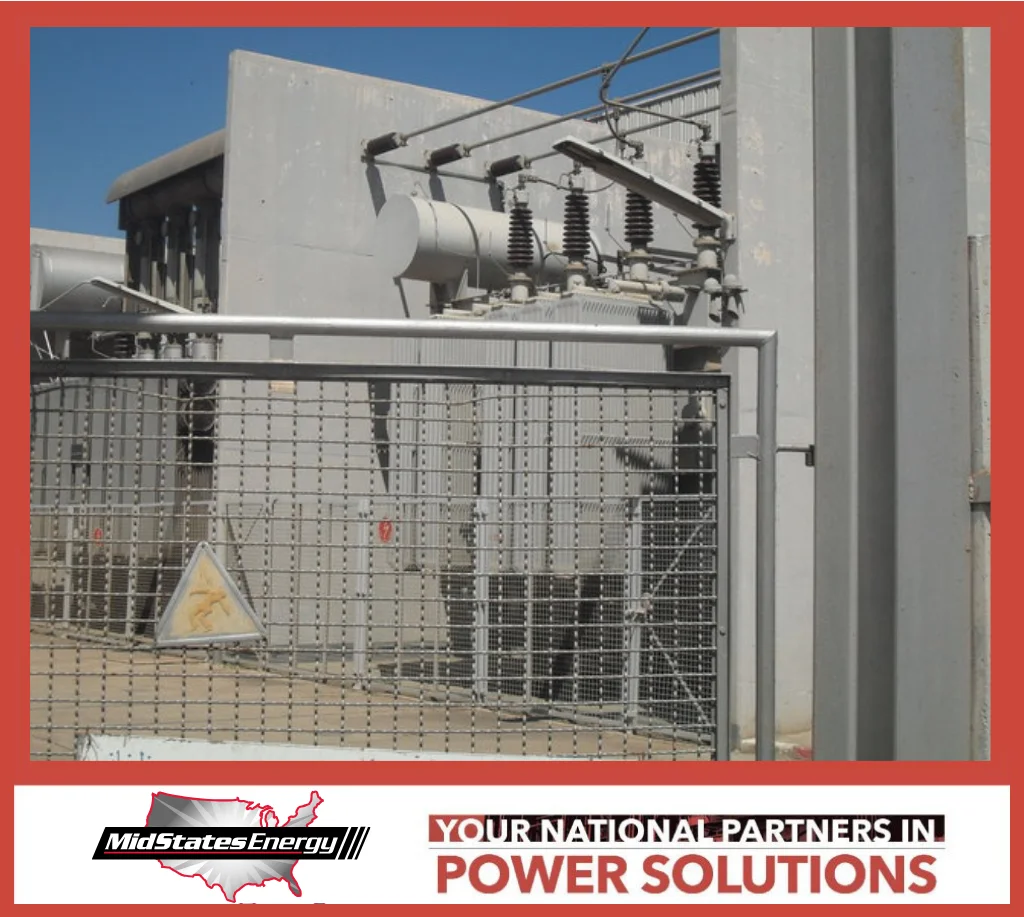
Industrial facilities depend on reliable electrical power to maintain production, protect equipment, and meet operational deadlines. When a critical electrical distribution component fails, the resulting downtime can lead to lost productivity, emergency repair expenses, equipment damage, and safety concerns. One important component that requires consistent attention is the bus duct system.
Regular bus duct maintenance helps identify electrical faults before they develop into costly failures. Through preventive inspections, thermal imaging, electrical testing, and timely repairs, businesses can improve power distribution reliability and reduce unexpected shutdowns. Working with an experienced electrical services company such as MidStates Energy can help industrial operators and utility facilities take a proactive approach to equipment reliability.
What Is Bus Duct Maintenance, and Why Is It Important?
A bus duct, also known as a busway, is an enclosed electrical distribution system containing copper or aluminum conductors. It transfers electrical power between generators, transformers, switchgear, and other electrical equipment.
Bus duct systems are widely used in manufacturing plants, commercial facilities, data centers, and power generation environments because they provide an efficient way to distribute high electrical loads.
Over time, however, dust accumulation, moisture intrusion, vibration, loose connections, and deteriorating insulation can affect performance. If these problems remain undetected, they may cause overheating, electrical arcing, insulation failure, or unexpected power interruptions.
Preventive electrical maintenance helps facility managers detect these issues early, maintain safe operating conditions, and protect essential electrical infrastructure.
How Does Regular Bus Duct Maintenance Reduce Industrial Downtime?
1. Identifies Electrical Problems Before Failure
Small electrical defects can develop into major equipment failures when maintenance is neglected. Loose joints, corrosion, damaged seals, and insulation deterioration may remain unnoticed until a system experiences abnormal heating or an electrical fault.
Routine bus duct inspections allow qualified technicians to examine connections, enclosures, insulation, and supporting components. Infrared thermography can identify abnormal temperature patterns that indicate loose connections, excessive loading, or developing electrical resistance.
For industrial facilities, detecting these warning signs early allows corrective work to be scheduled before a minor defect interrupts production.
2. Prevents Overheating and Electrical Hazards
High-current electrical systems generate heat during normal operation. However, excessive heat caused by poor connections, overloading, or inadequate ventilation can damage insulation and compromise electrical safety.
Regular maintenance includes checking for hot spots, examining enclosure condition, inspecting seals, and evaluating signs of moisture or contamination. Appropriate electrical testing can also help identify developing insulation problems.
These measures reduce the risk of electrical arcing, equipment damage, and potentially dangerous failures. Maintenance work should always follow manufacturer recommendations and applicable electrical safety procedures.
3. Minimizes Unplanned Production Shutdowns
An unexpected bus duct failure can interrupt power to connected machinery, production lines, and essential facility systems. Even a relatively short outage can disrupt schedules and create additional labor and recovery costs.
A planned maintenance program helps businesses identify deteriorating components and coordinate repairs during scheduled shutdowns whenever possible.
For example, a manufacturing facility may discover an overheating bus duct connection during a routine inspection. Correcting the issue during a planned outage can prevent a more disruptive failure during peak production.
4. Extends Equipment Life and Controls Repair Costs
Replacing damaged bus duct assemblies can involve significant expenses for replacement components, installation labor, testing, and commissioning. Failures may also damage connected transformers, switchgear, and other electrical assets.
Regular cleaning, inspection, connection verification, and condition assessments help identify problems while targeted repairs remain possible. Maintaining seals and gaskets also helps prevent moisture and debris from compromising insulation.
MidStates Energy provides industrial electrical maintenance and isolated-phase bus system services to help facilities identify potential problems and evaluate appropriate repair or retrofit solutions. This expertise supports equipment reliability and helps operators make informed maintenance decisions.
General Bus Duct Maintenance Statistics and Planning Benchmarks
Maintenance schedules should reflect equipment condition, operating environment, manufacturer guidance, and the criticality of the electrical system.
| Maintenance factor | General planning benchmark |
| Comprehensive inspection | Every 18–24 months as a general starting point |
| Thermal imaging | During scheduled condition assessments or when overheating is suspected |
| Electrical testing | Based on equipment requirements, condition, and applicable standards |
| Maintenance scheduling | Coordinate corrective work with planned outages when practical |
| High-risk environments | Consider more frequent inspections based on moisture, dust, heat, and operating demands |
What Services Should a Bus Duct Maintenance Program Include?
An effective preventive maintenance program combines inspections, testing, cleaning, and corrective repairs to keep electrical distribution equipment operating reliably.
- Visual and mechanical inspection: Identify corrosion, loose hardware, damaged enclosures, and deteriorating insulation.
- Infrared thermography: Detects abnormal heating and potential electrical connection problems.
- Cleaning and contamination control: Remove dust and debris using equipment-appropriate procedures.
- Joint and connection checks: Verify connections according to manufacturer specifications and approved safety procedures.
- Moisture and seal inspection: Examine gaskets, seals, and enclosure integrity to reduce the risk of water intrusion.
- Repair and retrofit services: Address damaged components and evaluate upgrades for aging bus duct infrastructure.
Companies like MidStates Energy offer isolated-phase bus system inspection, testing, and retrofit services for critical power infrastructure. Its online and offline inspection capabilities help facility operators assess equipment condition and plan maintenance around operational requirements.
How Can Facilities Develop an Effective Preventive Maintenance Strategy?
Facility managers should begin by documenting bus duct locations, equipment specifications, previous failures, and operating conditions. Systems supplying critical production equipment or essential power infrastructure should receive particular attention.
Inspection findings should be recorded and reviewed to identify recurring problems, prioritize repairs, and determine whether equipment replacement is necessary. Maintenance teams should also coordinate with qualified electrical contractors to establish appropriate testing intervals and safe work procedures.
For businesses seeking professional support, MidStates Energy provides industrial electrical maintenance and power system services that help facilities improve reliability, plan corrective work, and reduce operational risks.
Improving Industrial Reliability with Regular Bus Duct Maintenance
Regular bus duct maintenance helps businesses reduce unexpected industrial downtime, prevent electrical failures, and control long-term operating expenses. By identifying overheating, loose connections, moisture intrusion, and insulation deterioration early, facilities can protect critical equipment and improve power distribution reliability.
A structured preventive maintenance program, supported by qualified technicians and appropriate electrical testing, can extend equipment life and reduce emergency repair requirements. Partnering with an experienced electrical services company can further strengthen maintenance planning and operational resilience.
Explore MidStates Energy’s electrical maintenance services to learn more about professional bus duct maintenance, power system inspections, and solutions designed to support reliable industrial operations.
FAQs
How often should bus duct maintenance be performed?
Bus duct maintenance should follow manufacturer recommendations, equipment condition, operating environment, and applicable electrical standards. A comprehensive inspection every 18–24 months can serve as a general planning starting point, with more frequent inspections for systems exposed to dust, moisture, heat, or heavy electrical loads.
What are the common signs that a bus duct system needs maintenance?
Common warning signs include overheating, loose connections, corrosion, damaged insulation, unusual odors, moisture intrusion, and visible enclosure damage. Infrared thermography and appropriate electrical testing can help identify developing problems before they cause equipment failure or unexpected downtime.
How does bus duct maintenance help reduce industrial downtime?
Preventive bus duct maintenance identifies electrical defects before they develop into major failures. By detecting overheating, insulation deterioration, and connection problems early, facilities can schedule corrective repairs during planned outages and reduce production interruptions, emergency repair costs, and equipment damage.
What services should a professional bus duct maintenance program include?
A professional maintenance program may include visual and mechanical inspections, infrared thermography, electrical testing, contamination removal, connection assessments, moisture and seal inspections, and necessary repairs or retrofits. The specific services should be selected according to the equipment manufacturer’s guidance and the system’s operating conditions.
How can MidStates Energy help facilities with bus duct maintenance?
MidStates Energy provides industrial electrical maintenance and isolated-phase bus system services to help facilities assess equipment condition and address potential electrical problems. Its inspection, testing, and retrofit capabilities can support preventive maintenance planning, improve power distribution reliability, and help reduce the risk of unplanned industrial downtime.