
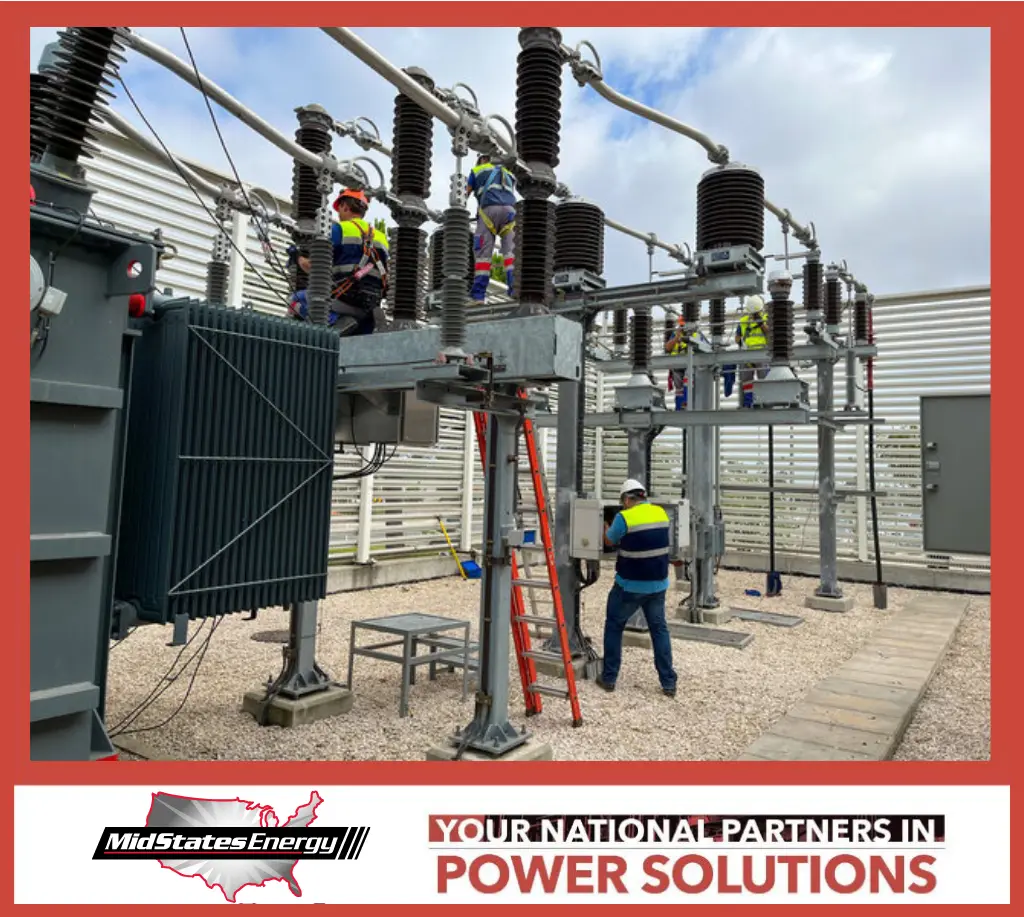
Transformer maintenance is essential for maintaining reliable power distribution, preventing unexpected equipment failures, and extending the lifespan of critical electrical infrastructure. Industrial facilities, manufacturing plants, agricultural operations, and electric utility companies depend on well-maintained transformers to support safe and efficient operations.
Without regular inspections and preventive maintenance, transformers can develop insulation deterioration, oil leaks, overheating, and electrical faults that lead to costly downtime. Understanding transformer maintenance procedures, inspection schedules, and diagnostic testing helps businesses protect their electrical assets and improve long-term reliability.
For organizations across the Upper Midwest, working with an experienced electrical service company can help identify potential problems early and maintain dependable power systems.
Why Is Transformer Maintenance Important?
Transformers operate under demanding conditions, including fluctuating temperatures, changing electrical loads, moisture exposure, and continuous operation. Over time, these factors can affect insulation quality, cooling performance, and overall equipment reliability.
Routine transformer maintenance helps identify developing issues before they cause equipment failure. It also supports electrical safety, improves maintenance planning, and reduces the risk of unplanned outages.
For example, an electric utility company such as MidStates Energy can help industrial and commercial facilities maintain their critical electrical infrastructure through transformer inspections, testing, repairs, and substation maintenance. These services are particularly valuable for facilities that rely on uninterrupted power for manufacturing, processing, and distribution.
What Are the Key Transformer Maintenance Procedures?
A comprehensive transformer maintenance program includes several inspection and testing procedures designed to evaluate equipment condition and prevent avoidable failures.
1. Visual Inspection and Preventive Maintenance
Regular visual inspections help technicians identify oil leaks, corrosion, cracked bushings, loose connections, damaged insulation, and signs of overheating.
Maintenance teams should also inspect cooling fans, radiators, protective relays, grounding connections, and surrounding electrical equipment. Keeping transformer enclosures clean and ensuring proper ventilation can help reduce unnecessary operating stress.
Preventive transformer maintenance schedules should account for equipment age, operating conditions, manufacturer recommendations, and applicable electrical safety standards.
2. Transformer Oil Testing and Analysis
Transformer oil provides insulation and helps transfer heat away from internal components. As the oil ages, contamination and moisture can reduce its insulating properties.
Transformer oil analysis evaluates factors such as moisture content, dielectric strength, acidity, and dissolved gases. Dissolved gas analysis (DGA) can help identify developing thermal or electrical faults inside oil-filled transformers.
Based on the results, technicians may recommend oil filtration, dehydration, reclamation, or replacement to restore suitable operating conditions.
3. Electrical Testing and Diagnostics
Electrical diagnostic testing provides valuable information about transformer performance and insulation health.
Common transformer testing services include:
- Insulation resistance testing to assess insulation condition.
- Transformer turns ratio testing to verify winding ratios.
- Power factor testing to evaluate insulation quality.
- Sweep frequency response analysis (SFRA) to investigate potential winding or core movement.
- Infrared thermography to identify abnormal heat patterns.
- Bushing and load tap changer testing to evaluate critical components.
Combining these methods helps maintenance professionals identify hidden defects and develop appropriate corrective action plans.
How Often Should Transformers Be Maintained?
Transformer maintenance frequency depends on equipment type, age, loading conditions, environmental exposure, and operating history. The following table provides general planning guidelines rather than mandatory intervals.
| Maintenance Activity | General Planning Frequency |
| Visual inspection | Monthly or quarterly |
| Comprehensive condition inspection | Annually |
| Transformer oil analysis | Annually or as conditions require |
| Electrical diagnostic testing | Every 1–3 years, depending on risk |
| Cooling system and connection checks | During scheduled inspections |
| Post-fault inspection | Immediately after a suspected fault or abnormal event |
These intervals should be adjusted according to manufacturer guidance, applicable industry standards, and equipment condition. Critical transformers may require more frequent inspections and condition monitoring.
What Are the Warning Signs of Transformer Failure?
Recognizing early warning signs is an important part of transformer reliability management. Common indicators include:
- Excessive operating temperatures or abnormal hot spots.
- Oil leakage or deterioration in oil quality.
- Unusual humming, buzzing, or mechanical vibration.
- Cracked bushings or damaged insulation.
- Repeated protective relay alarms or unexplained trips.
- Unexpected voltage fluctuations or declining performance.
When these symptoms occur, qualified electrical professionals should evaluate the equipment promptly. Suspected serious faults require appropriate isolation and electrical safety procedures before inspection or repair.
Essential Transformer Services for Industrial Facilities
Businesses need dependable electrical services to maintain safe and efficient power distribution systems. Professional transformer services can support equipment throughout its operational lifecycle, from installation and commissioning to preventive maintenance, testing, repairs, and upgrades.
MidStates Energy supports industrial and commercial customers with transformer and substation services, transformer oil sampling and testing, high-voltage inspections, circuit breaker maintenance, and substation upgrades. Its service capabilities also include power plant maintenance, electrical installations, and emergency power support.
Depending on equipment condition, additional maintenance may involve bushing replacement, gasket repairs, cooling system upgrades, load tap changer servicing, or transformer refurbishment. These services help address developing faults and support long-term electrical asset management.
For organizations with aging transformers, professional diagnostics can also help determine whether continued maintenance, modernization, or replacement is the most appropriate option.
How Does Professional Expertise Improve Transformer Reliability?
Effective transformer maintenance requires qualified technicians, appropriate diagnostic equipment, detailed inspection reports, and a clear corrective maintenance strategy.
An experienced electrical service provider can help facilities prioritize repairs, coordinate planned outages, and establish condition-based maintenance schedules. Comparing current test results with historical measurements also helps identify deterioration before it develops into a major operational problem.
MidStates Energy provides comprehensive electrical services, including transformer testing, commissioning, repairs, preventive maintenance, and substation support. Serving customers across the Upper Midwest, the company combines regional expertise with extensive electrical service capabilities to help maintain reliable power systems.
What Are the Best Practices for Long-Term Transformer Reliability?
Businesses can strengthen transformer reliability by implementing consistent inspections, monitoring equipment performance, documenting maintenance activities, and addressing defects promptly.
Facility managers should maintain transformer service records, track oil analysis results, review temperature and loading trends, and follow manufacturer recommendations. Predictive maintenance technologies can provide additional insight into developing problems and help reduce unexpected equipment downtime.
Partnering with qualified electrical professionals also helps organizations maintain safety procedures and develop maintenance plans suited to their operational requirements.
Ensuring Transformer Reliability Through Preventive Maintenance
Transformer maintenance is a critical investment in electrical safety, equipment longevity, and reliable power distribution. Regular inspections, oil analysis, electrical diagnostic testing, and timely repairs help prevent avoidable failures and improve long-term operational performance.
For businesses seeking transformer maintenance, MidStates Energy offers industrial and commercial electrical expertise, transformer and substation services, preventive maintenance, testing, and emergency power support.
FAQs
Why Is Transformer Maintenance Important?
Transformer maintenance helps businesses prevent unexpected equipment failures, improve electrical safety, reduce downtime, and extend transformer service life.
How often should a transformer be inspected?
Visual inspections are generally recommended monthly or quarterly, while comprehensive inspections and oil analysis may be performed annually. The appropriate schedule depends on equipment condition, manufacturer recommendations, and operating conditions.
What are the common signs of transformer failure?
Common warning signs include oil leaks, excessive heat, unusual noises, damaged bushings, insulation deterioration, and repeated protective relay alarms. Qualified electrical professionals should investigate these issues promptly.
How can professional transformer maintenance improve long-term reliability?
Professional maintenance helps identify developing faults, optimize repair schedules, maintain insulation performance, and reduce unplanned outages. Working with an experienced electrical service provider can improve equipment reliability and support long-term asset management.
Which Services Help Keep Transformers Operating Reliably?
Transformer reliability depends on regular inspections, oil testing, electrical diagnostics, preventive maintenance, and timely repairs. MidStates Energy provides transformer and substation services to help identify potential issues early, reduce unexpected downtime, and maintain dependable power distribution systems.