
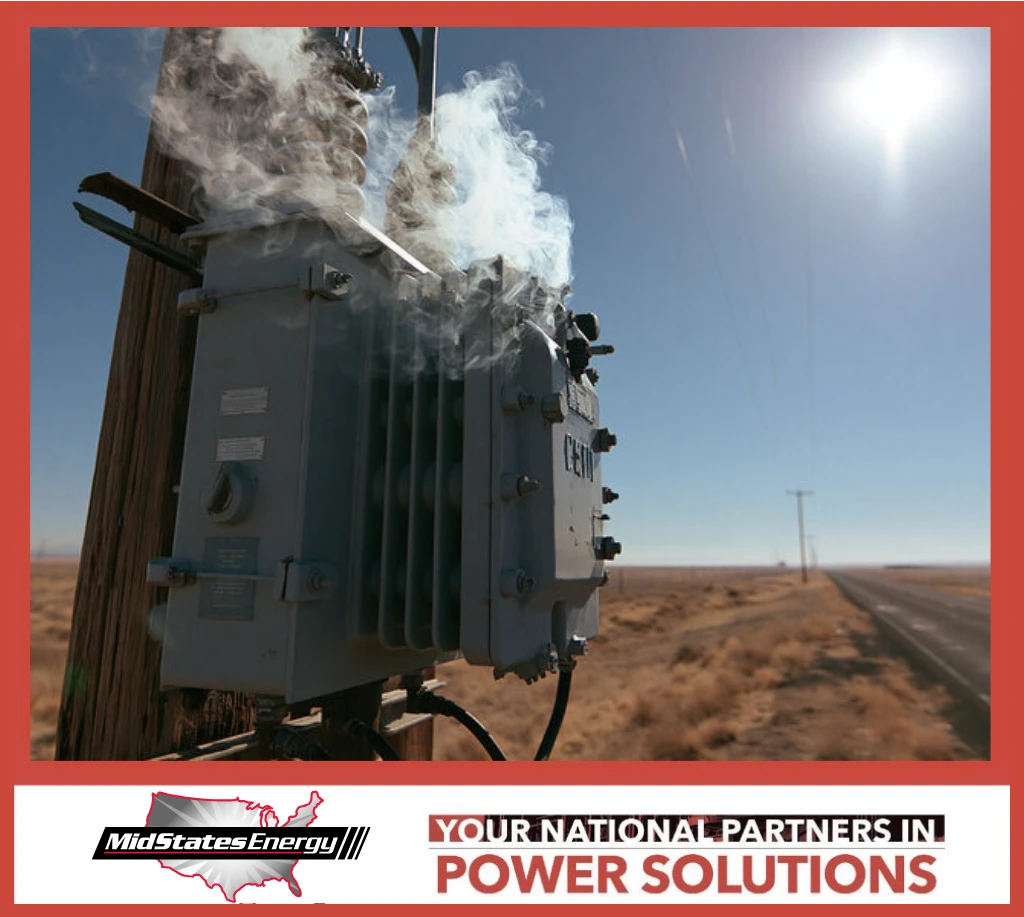
Power interruptions can create immediate challenges for industrial and commercial facilities in Jefferson City. A failed transformer, damaged switchgear, high-voltage fault, equipment breakdown, or utility interruption can bring essential operations to a standstill. For facilities that depend on reliable electricity, emergency power services provide a way to diagnose electrical problems, restore critical systems, and reduce unnecessary downtime.
Companies like MidStates Energy provide emergency electrical and power solutions for industrial and commercial facilities in the Jefferson City area, including emergency restoration, temporary power, backup generator installation, system repairs, and electrical infrastructure support. Its Jefferson City operation also provides industrial electrical services, plant maintenance, and substation and transformer services.
What Are Emergency Power Services?
Emergency power services are specialized electrical services designed to respond to unexpected power failures and critical electrical equipment problems. Unlike routine maintenance, emergency response focuses on quickly identifying the source of a failure and taking appropriate steps to stabilize and restore the affected system.
Industrial facilities can have complex electrical networks involving transformers, substations, switchgear, circuit breakers, motor control centers, and power distribution equipment. Commercial properties may also depend on electrical systems for lighting, HVAC, security, communications, building controls, and other essential operations.
Because electrical failures can affect both productivity and safety, professional emergency response is important when a facility experiences a serious electrical problem. The objective is not simply to restore electricity but to identify the underlying failure and establish a safe path toward reliable operation.
What Emergency Power Services Are Available?
Emergency requirements vary depending on the facility and the type of electrical failure. Professional emergency electrical support may involve diagnostics, repairs, temporary power, restoration, testing, and engineering assistance.
| Emergency Service | Purpose |
| Emergency diagnostics | Identifies the source and extent of an electrical failure |
| High-voltage troubleshooting | Addresses problems within high-voltage electrical systems |
| Transformer repairs | Helps restore failed or damaged transformer equipment |
| Switchgear repairs | Diagnoses and repairs switchgear-related failures |
| Temporary power | Helps maintain essential operations during restoration |
| Infrastructure restoration | Repairs affected distribution and electrical systems |
| Emergency system upgrades | Improves equipment where an immediate upgrade is appropriate |
These services can support manufacturing plants, power facilities, food processing operations, chemical facilities, warehouses, commercial buildings, utilities, and other organizations where electrical reliability is critical.
What Can Cause an Electrical Emergency?
Electrical emergencies can develop from several different conditions. Equipment may fail because of age, excessive electrical stress, inadequate maintenance, environmental conditions, or an unexpected fault. Severe weather and utility interruptions can also damage or disrupt electrical infrastructure.
Common emergency situations include:
- Unexpected facility-wide or partial power loss
- Transformer malfunction
- Switchgear failure
- High-voltage electrical faults
- Circuit breaker problems
- Damage to power distribution equipment
- Failure of industrial control systems
- Electrical equipment breakdown
- Problems following severe weather or utility interruptions
A problem that appears relatively small can sometimes affect interconnected systems throughout a facility. For this reason, attempting to restart equipment repeatedly without determining the cause can create additional risks.
How Does Emergency Electrical Response Work?
A structured response helps reduce disruption while maintaining safety. The first step is generally an assessment of the affected electrical system. Technicians use appropriate testing and diagnostic equipment to determine where the failure originated and which components have been affected.
Once the problem is identified, the affected area can be isolated and stabilized. Depending on the circumstances, temporary repairs or temporary power may allow essential operations to resume while permanent work is planned.
Permanent repairs can then address the underlying equipment or infrastructure problem. Before equipment is returned to normal service, electrical testing and verification can be performed to confirm system integrity and safe operation. This approach is designed to minimize downtime while reducing the possibility of a recurring failure.
When Is Temporary Power Necessary?
Not every electrical emergency can be permanently resolved immediately. Specialized equipment may need to be repaired or replaced, or a damaged section of electrical infrastructure may require additional planning before permanent restoration.
Temporary power can provide an important bridge during this period. Depending on facility requirements, it may support essential equipment or operations while permanent electrical work is completed.
For commercial and industrial facilities, temporary power planning should consider which systems are critical and how much electrical capacity is necessary to maintain essential functions. The right solution depends on the facility’s electrical configuration, equipment requirements, and safety considerations. Jefferson City emergency power services include temporary power supply solutions as well as backup generator installations.
Can Preventive Maintenance Reduce Electrical Emergencies?
Emergency response solves the immediate problem, but preventing future failures is equally important. After an electrical emergency, facility managers should consider why the failure occurred and whether other components could be vulnerable.
Preventive and predictive maintenance can include equipment inspections, electrical testing, infrared inspections, power quality analysis, equipment upgrades, and system modernization. These measures can help identify developing problems before they become major operational failures.
Plant maintenance programs can also provide scheduled inspections, troubleshooting, equipment diagnostics, repairs, and power-system upgrades. Regular maintenance is particularly valuable for facilities operating critical electrical equipment continuously.
What Should Facilities Look for in an Emergency Power Provider?
Selecting an emergency electrical contractor should involve more than simply choosing a company that answers calls after an outage. Industrial and commercial facilities should consider experience with complex electrical systems, high-voltage equipment, transformers, substations, switchgear, and power distribution infrastructure.
Response availability is another important consideration. An emergency provider should have the capability to respond outside normal business hours when an unexpected electrical failure occurs. Safety practices, diagnostic capabilities, repair experience, and the ability to provide both temporary and permanent solutions are also valuable.
Service providers such as MidStates Energy offer 24/7 emergency electrical support along with high-voltage troubleshooting, transformer repairs, switchgear services, temporary power solutions, electrical restoration, and preventive maintenance recommendations. Its Jefferson City location also provides industrial, commercial, plant maintenance, substation, and transformer services.
What Should You Do During an Electrical Emergency?
When a serious electrical failure occurs, employee and facility safety should come first. Personnel should avoid entering hazardous areas or attempting repairs on high-voltage equipment without appropriate qualifications and procedures.
After the affected area has been secured, facility managers should contact their emergency electrical provider and provide information about the outage, affected equipment, visible damage, and any unusual events that occurred before the failure.
A professional response can then focus on identifying the source of the problem, stabilizing the system, restoring critical operations, and determining whether permanent repairs or equipment improvements are required.
Keep Your Jefferson City Facility Prepared
Electrical emergencies are unpredictable, but facilities can prepare for them. A combination of emergency response planning, reliable backup power, regular maintenance, equipment testing, and professional electrical support can help reduce the impact of unexpected failures.
For industrial and commercial facilities in Jefferson City, MidStates Energy provides 24/7 emergency power assistance backed by services for electrical restoration, temporary power, generators, transformers, substations, and industrial electrical systems. Having an experienced electrical partner available when a critical failure occurs can help facilities move from unexpected disruption toward safe and dependable recovery.
FAQs
What are emergency power services for commercial facilities?
Emergency power services help commercial facilities respond to unexpected outages, equipment failures, and electrical system problems through restoration, repairs, temporary power, and backup solutions.
Does MidStates Energy provide 24/7 emergency power services in Jefferson City?
Yes. MidStates Energy provides 24/7 emergency power assistance in Jefferson City for urgent power outages, equipment failures, and other electrical emergencies.
What emergency power solutions does MidStates Energy offer?
Services include emergency power restoration, backup generator installation, temporary power supplies, and emergency electrical system repairs.
Can emergency power services help reduce business downtime?
Yes. Rapid troubleshooting, power restoration, temporary power, and backup systems can help businesses restore essential operations and minimize disruption following an electrical failure.
Who needs emergency power services in Jefferson City?
Industrial plants, manufacturing facilities, warehouses, commercial buildings, and other organizations that depend on reliable electrical infrastructure can benefit from professional emergency power services.