
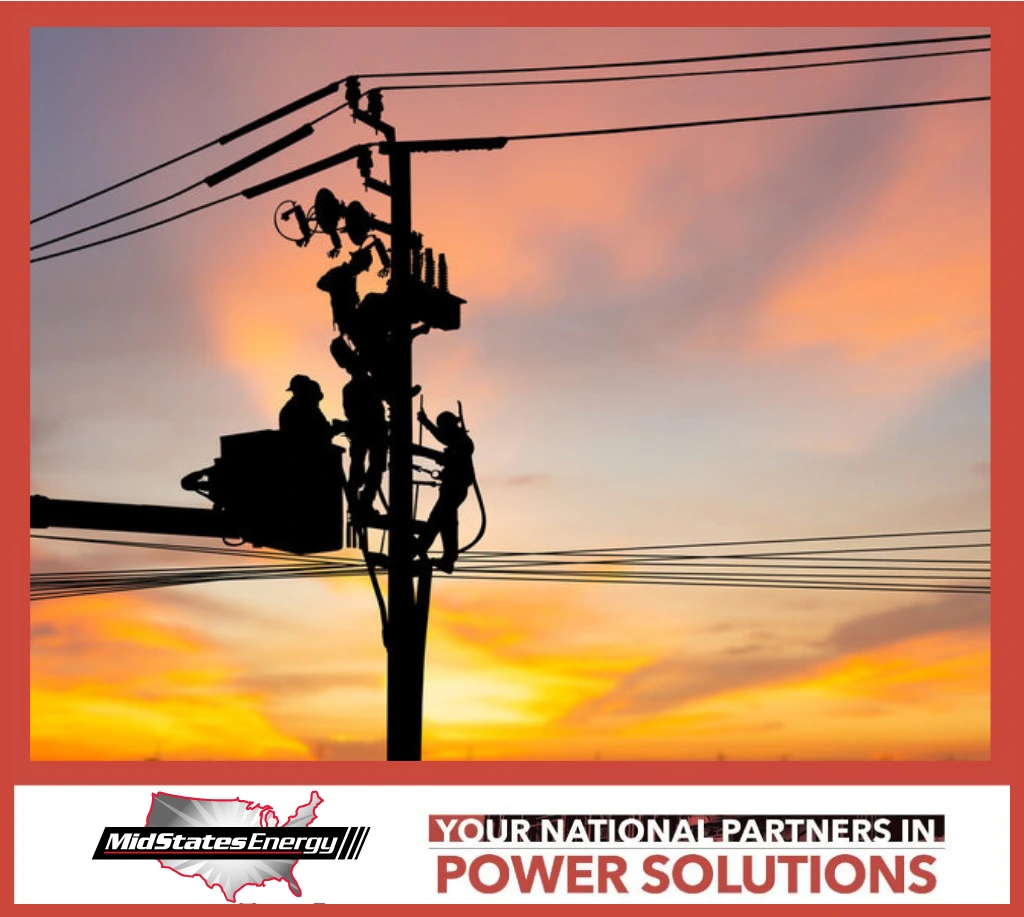
Commercial electrical costs in West Virginia depend on factors such as project size, equipment, labor, existing infrastructure, safety requirements, and installation complexity. A small repair will naturally cost less than a major electrical upgrade or new commercial installation.
Getting a detailed estimate from an experienced contractor helps businesses understand the full scope and avoid unexpected costs.Companies like MS Energy can help businesses plan and complete commercial and industrial electrical projects safely and efficiently.
Commercial Electrical Services That Can Affect Your Budget
Commercial electrical work covers much more than repairing a failed circuit.
A contractor may be involved from the planning stage through installation, commissioning, maintenance, and future upgrades. MidStates Energy describes its commercial and industrial capabilities as covering implementation, maintenance, and upgrades for critical power systems.
Electrical Installation
New construction and facility expansion can involve extensive electrical distribution, wiring, equipment connections, lighting, controls, and power infrastructure.
The cost depends heavily on the building’s design and the electrical load it must support.
Electrical System Upgrades
Businesses sometimes need to increase capacity, replace aging equipment, improve reliability, or accommodate new machinery.
An upgrade can be more involved than simply installing new equipment because the existing system must be evaluated for compatibility and capacity.
Commercial Electrical Maintenance
Preventive maintenance can help identify developing electrical problems before they become disruptive failures.
For facilities where downtime affects production or business operations, maintenance is an important part of the long-term electrical budget rather than an optional expense.
High-Voltage and Industrial Electrical Work
Industrial facilities often have substantially different electrical requirements from conventional office or retail environments.
High-voltage equipment, power distribution, specialized machinery, controls, and demanding operating conditions require contractors with appropriate experience and technical capabilities.
What Determines Commercial Electrical Cost in West Virginia?
Commercial electrical pricing is usually based on project scope, labor, materials, complexity, site conditions, and required coordination rather than a single universal rate. Industry pricing guidance likewise notes that commercial work is commonly estimated around project scope and complexity instead of relying solely on an hourly figure.
| Cost Factor | Why It Matters |
| Project scope | More work means higher costs. |
| System complexity | Complex systems need skilled work. |
| Existing infrastructure | Older systems may need upgrades. |
| Materials & equipment | Equipment affects the budget. |
| Site conditions | Difficult access can add labor. |
| Project schedule | Urgent work may cost more. |
| Compliance | Codes can affect project scope. |
| Maintenance | Repairs and testing add costs. |
Why Commercial Electrical Work Costs More Than a Simple Repair
Commercial electrical systems are designed around the needs of a business, facility, or industrial operation.
That can mean more sophisticated distribution equipment, greater electrical loads, specialized components, coordination with other trades, and stricter operational requirements.
There is also a business consequence to getting the work wrong. An electrical problem that shuts down a facility can affect production, employees, customers, inventory, and scheduled operations.
For that reason, the lowest initial bid is not necessarily the lowest-cost option over the life of the system.
How Existing Electrical Infrastructure Changes the Cost
One of the biggest variables is what is already inside the building.
A newer facility with suitable electrical capacity may require relatively straightforward modifications. An older facility may reveal issues such as outdated equipment, insufficient capacity, difficult cable routing, or components that need replacement before the new work can proceed.
This is why a qualified contractor should evaluate the existing electrical system rather than estimating solely from a short description of the requested work.
West Virginia Licensing and Professional Requirements
Businesses should also consider contractor qualifications when comparing electrical proposals.
West Virginia law requires a license and certificate for electrical work performed for compensation or hire in the state, subject to the applicable statutory exceptions.
That makes licensing an important part of contractor due diligence.
Before awarding commercial electrical work, businesses should verify that the contractor has the appropriate qualifications and experience for the type of system involved.
How to Get a More Accurate Commercial Electrical Estimate
A useful estimate starts with a clear scope.
Before requesting proposals, gather information such as:
- The type of facility
- The electrical problem or planned improvement
- Existing equipment information
- Available drawings or electrical plans
- Equipment specifications
- Required operating schedule
- Any shutdown restrictions
- Known safety or access concerns
- Desired project timeline
The more complete the information, the easier it is for contractors to identify the actual work involved.
For complex commercial and industrial projects, an on-site assessment can be especially valuable because conditions that are not visible in basic plans can materially affect the work.
How to Compare Commercial Electrical Contractor Proposals
Do not compare proposals by price alone.
Look at what each proposal actually includes.
Consider whether the contractor has clearly addressed:
- Labor and materials
- Equipment and installation requirements
- Testing and commissioning
- Permitting or compliance responsibilities
- Project management
- Shutdown coordination
- Cleanup
- Warranty terms
- Maintenance or follow-up service
A proposal that appears more expensive may include important work that another proposal leaves outside the stated scope.
Choosing a Commercial Electrical Contractor in West Virginia
The right contractor should bring more than electrical labor to the project.
Look for a company with relevant commercial or industrial experience, strong safety practices, appropriate licensing, and the ability to work around your operational requirements.
MidStates Energy positions itself as a commercial and industrial electrical partner focused on critical power systems, maintenance, upgrades, and reliable implementation.
You can learn more about MidStates Energy’s commercial electrical services and its commercial and industrial power solutions when evaluating the right fit for your facility.
Get a Commercial Electrical Project Estimate in West Virginia
Need to plan an electrical installation, upgrade, repair, or maintenance project? Talk with an experienced commercial electrical team to assess your facility, define the scope, and identify the right solution.
Don’t rely on generic cost estimates when your electrical system affects safety, reliability, and business operations.
Contact MidStates Energy to discuss your commercial or industrial electrical needs and take the next step toward a clear project plan.
FAQs
How much does commercial electrical work cost in West Virginia?
There is no single standard cost because commercial electrical projects vary widely in scope and complexity. A professional assessment is the best way to determine the requirements and develop an accurate project estimate.
What affects the cost of a commercial electrical project?
Major factors include labor, materials, equipment, system complexity, existing infrastructure, site conditions, project scheduling, and compliance requirements.
Is commercial electrical work different from residential electrical work?
Yes. Commercial facilities can involve larger electrical loads, more complex distribution systems, specialized equipment, and different operational requirements. Contractors also need experience appropriate to the facility and system being serviced.
Does existing electrical infrastructure affect project cost?
Yes. Existing equipment, available capacity, accessibility, and the condition of the electrical system can significantly affect the work required. An evaluation can identify these conditions before installation or upgrades begin.
Should I choose the lowest commercial electrical bid?
Not necessarily. Compare the scope, qualifications, materials, testing, warranties, project management, and included services before choosing a contractor.
How can I get an accurate commercial electrical estimate?
Provide the contractor with available plans, equipment information, project requirements, operating restrictions, and the desired schedule. For complex work, an on-site evaluation can provide a more reliable basis for the estimate.